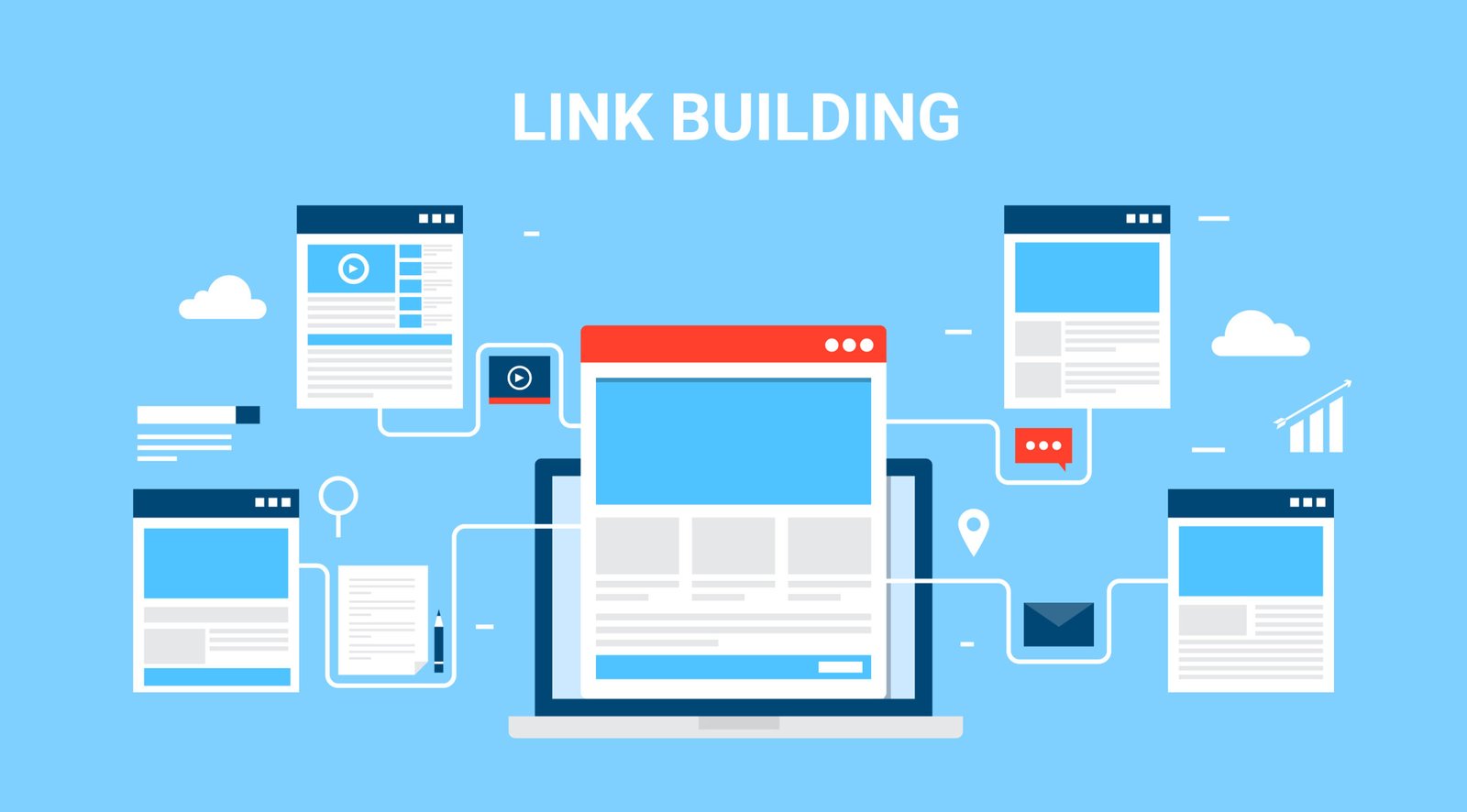
Link building for B2B and industrial companies in 2026 works through digital PR — original research, named expert positioning, and reactive commentary that earns coverage in trade publications and industry media — rather than the guest-post and directory-submission tactics that dominated the previous decade. A single placement in a genuinely relevant trade publication is worth more, for both traditional rankings and AI citation, than dozens of low-relevance guest posts, because it earns two things at once: a backlink and a brand mention that AI systems increasingly weigh when deciding what to cite.
Most B2B and industrial companies still approach link building the way it worked in 2015 — guest post outreach at scale, paid directory submissions, link exchanges dressed up as “partnerships.” Google has specifically and repeatedly demoted these patterns, and increasingly, they don’t even help with the newer visibility layer that matters just as much: whether AI tools mention your company by name when a buyer asks a research question. This guide covers what actually earns durable authority for B2B and industrial link building in 2026 — and why the tactics that used to work are actively working against you now.
Why Old-School Link Building Stopped Working
Paid directories, spun guest posts, and private blog networks share a common problem: none of them build genuine authority, and Google’s ranking systems have gotten specifically better at identifying and discounting these patterns rather than merely tolerating them at reduced value. For B2B and industrial companies especially, this matters because your buyers — engineers, procurement specialists, plant managers — are sophisticated enough to recognize thin content immediately, meaning these tactics were never actually building trust with your real audience even when they nominally worked for rankings.
The replacement isn’t a trick. It’s digital PR, done specifically for a B2B and industrial audience rather than borrowed wholesale from consumer PR playbooks.
Why Digital PR Now “Pays Twice”
A placement in a genuinely credible trade publication or business outlet does two things simultaneously that a standard guest post never did:
- It earns a traditional backlink, supporting classic ranking signals the way link building always has.
- It earns a brand mention that AI systems use to build entity trust — and as search increasingly fragments across ChatGPT, Perplexity, and AI Overviews, brand mentions across credible, independent sources are becoming as influential to AI citation as backlink profiles have historically been to traditional rankings.
This is the single biggest reason digital PR has overtaken traditional link building as the highest-ROI tactic available to B2B and industrial companies: it’s simultaneously building two different forms of authority that used to require two entirely separate strategies.
The Five Content Types That Actually Earn B2B Coverage
Journalists and trade editors don’t cover companies; they cover stories. Five content types reliably produce something genuinely newsworthy enough to earn coverage:
- Original research. Survey your customer base, your industry contacts, or your own operational data, and publish genuinely original findings. This is consistently the single most powerful asset for earning coverage, because it gives a journalist something no competitor can offer them — a unique data point rather than a rehashed opinion.
- Named frameworks. A clearly named methodology or model for solving a common industry problem gives journalists and other sites something specific and citable to reference, rather than a vague description of “our approach.”
- Reactive expert commentary. Responding quickly and substantively when a journalist is actively seeking a source for a story already in progress — through platforms connecting journalists with expert sources, or direct outreach to beat reporters covering your industry.
- Data-driven opinion pieces. A contributed article or op-ed grounded in real data or operational experience, submitted to a relevant trade publication under a named expert’s byline.
- Useful free tools. A calculator, spec-selector, or reference tool solving a genuine problem your audience faces earns organic links and mentions over time simply by being useful enough that other sites want to reference it.
Across all five, the throughline is specificity: vague, promotional pitches get ignored; specific, data-backed, genuinely useful content earns coverage.
Building a Named-Expert Program
One of the highest-leverage moves available to a B2B or industrial company is deliberately building one or two specific people — a founder, a lead engineer, a technical specialist — into the recognized, citable voice for your company’s area of expertise. This typically takes six to twelve months of consistent effort, but it compounds in a way a one-off PR campaign never does, since a named individual’s growing credibility and citation history keep generating value long after any single article or interview.
A reasonable monthly cadence for this kind of program includes one contributed byline article in a relevant trade or vertical publication, consistent thought-leadership posting from the expert’s personal profile rather than the company page, a small number of reactive commentary placements when relevant news breaks, and periodic podcast or webinar guest appearances. Quarterly, add speaking submissions to two or three relevant industry events or conferences.
When that person’s name starts appearing consistently alongside your brand across publications and, increasingly, inside AI-generated citations, you’ve built a form of entity authority that a standard link-building campaign simply cannot replicate on its own.
Industrial Directories: Still a Real Authority Source
Unlike generic web directories, which Google has specifically discounted, industry-specific industrial directories remain a genuinely important part of the buyer research process — a large majority of industrial buyers use platforms like ThomasNet, GlobalSpec, IndustryNet, and Direct Industry during their evaluation phase, making a complete, accurate presence on these platforms closer to a baseline requirement than an optional SEO tactic. Treat profile completeness here the way you’d treat a Google Business Profile for local SEO — fully filled out, current, and consistent with your website’s information.
Trade Publications: Where the Real Authority Lives
Publications like IndustryWeek, Plant Engineering, Control Engineering, Manufacturing.net, and ASSEMBLY retain genuine influence with the technical and operational audiences that matter for industrial buying decisions. Sponsored editorial content in these outlets tends to convert meaningfully better than comparable display advertising, since it carries the credibility of the publication itself rather than reading as an obvious ad. These outlets are also worth prioritizing specifically for product launch coverage and contributed expert content, since a relevant trade press placement reaches exactly the technical, skeptical audience a generic guest post never will.
LinkedIn: Not a Direct Link Source, But a Genuine Authority Multiplier
LinkedIn doesn’t produce backlinks in the traditional sense, but it drives a substantial majority of B2B social-sourced leads and functions as the primary distribution and credibility-building channel for the named-expert strategy described above. The pattern that performs best in 2026: personal profiles significantly outperform company pages, and content from actual subject-matter experts — applications engineers, field engineers, product managers sharing genuine expertise — consistently outperforms polished, obviously marketing-authored company posts. Treat LinkedIn as the amplification layer for your digital PR and thought-leadership work, not a separate initiative running in parallel.
Events and Conferences as Content-Generation Opportunities
A meaningful share of an industrial buyer’s vendor shortlist gets built from event exposure — but booth presence alone isn’t a strategy. The real opportunity is treating major industry events as content-generation engines: pre-event announcements and previews that earn trade press pickup, on-site interviews and demonstrations that produce shareable content, and post-event recap and data content that extends the value of the event investment for months afterward rather than letting it evaporate the week the show ends.
Distributor and Partner Co-Marketing
For manufacturers selling through a distributor or channel partner network, joint content, co-branded case studies, and partner marketing programs can be a genuinely underused link and mention source. Partners with their own established domain authority linking to joint content, case studies, or program pages effectively multiplies your reach without requiring you to earn each individual placement from scratch.
What to Stop Doing
- Bulk guest post outreach to loosely relevant or clearly link-farm sites, which Google’s systems increasingly identify and discount rather than simply ignore
- Paid link directories promising a fixed number of monthly backlinks — a strong signal of low-quality, potentially penalty-risk link sources
- Generic press release distribution with no genuine news value, which rarely earns real editorial pickup regardless of distribution volume
- Treating LinkedIn company page posting as a substitute for genuine employee and expert advocacy, which consistently underperforms personal, expertise-driven content
Measuring Whether It’s Working
Referring domain count alone is an incomplete picture for B2B and industrial link building in 2026. Track alongside it:
- Placement quality and relevance, not just volume — one genuinely relevant trade publication placement outweighs dozens of low-relevance links
- Branded search volume growth, a lagging but meaningful indicator that PR and thought-leadership work is building genuine awareness beyond direct link value
- AI citation tracking — periodically checking whether ChatGPT, Perplexity, and Google’s AI tools mention your company or named experts when asked relevant industry questions
- Referral traffic and, where trackable, pipeline influence from specific placements, connecting PR activity back to genuine business impact rather than treating coverage as valuable in isolation
A well-run six-month B2B digital PR program in a genuinely active vertical can reasonably be expected to produce a meaningful number of real, relevant placements, with momentum typically building from around month four onward as journalist and editor relationships mature — a timeline worth setting expectations around before starting, since this is a compounding effort rather than an instant-results tactic.
Frequently Asked Questions
Does guest posting still work for B2B link building in 2026?
Bulk, low-relevance guest posting has largely stopped working and can actively signal manipulation to Google’s systems. Genuinely relevant contributed content in real trade or industry publications — earned through digital PR, not mass outreach — remains valuable.
What’s the highest-ROI link building tactic for industrial companies right now?
Digital PR built around original research, named expert positioning, and reactive commentary earns the strongest combination of traditional backlink authority and AI citation trust, outperforming volume-based tactics like directory submissions or guest posting.
Are industrial directories like ThomasNet still worth the effort?
Yes — unlike generic web directories, industry-specific platforms like ThomasNet, GlobalSpec, and IndustryNet remain genuinely used by industrial buyers during vendor evaluation, making a complete, accurate presence there closer to a baseline requirement than an optional tactic.
How long does a B2B digital PR program take to show results?
Expect the first few months to focus on building journalist relationships and securing initial placements, with momentum and placement volume typically increasing from around month four onward as those relationships mature.
Does LinkedIn activity actually help with link building?
Not directly as a backlink source, but it’s the primary amplification channel for the digital PR and thought-leadership content that does earn links and mentions — treat it as part of the same strategy rather than a separate initiative.
Final Thoughts
Link building for B2B and industrial companies in 2026 isn’t really about links anymore — it’s about building genuine, citable authority that pays off in both traditional rankings and AI-generated answers simultaneously. Digital PR grounded in original research, named expertise, and real trade media relationships now consistently outperforms the volume-based tactics that used to define this space, and it’s the approach worth building your strategy around going forward.
Visit more: Why B2B Companies Can’t Ignore SEO: The Path to High-Intent Leads